How Alcohol Affects You: Short-Term Changes & Long-Term Risks

How Rehabilitation Transforms Lives: Key Benefits
May 4, 2026
How Rehab Centers Support Lasting Alcohol Recovery
June 1, 2026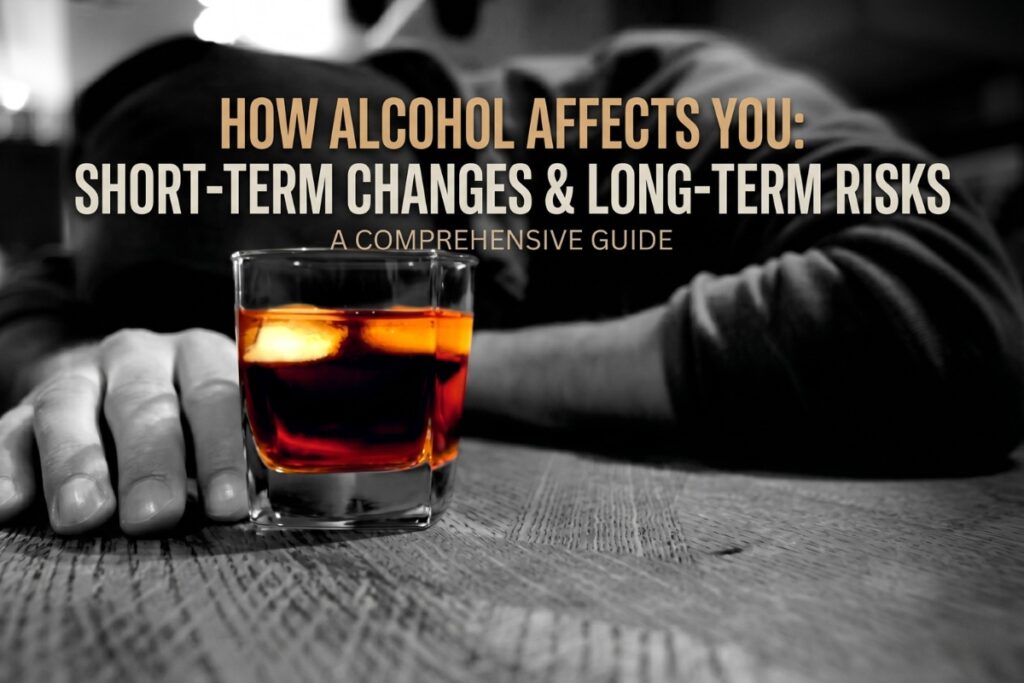
Alcohol is one of the most widely consumed substances globally, often associated with social gatherings and relaxation. However, behind the temporary buzz lies a complex physiological process that impacts nearly every organ in the body. Understanding the short term of alcohol consumption versus the long term impact of alcohol is essential for making informed decisions about your health.
In this guide, we will explore how alcohol moves through your system, the immediate short-term effects, and the devastating long-term alcohol use consequences that can arise over time. While social drinking is common, consistent misuse can lead to severe physiological damage and dependency. Recognising these patterns early is essential for recovery. For those struggling to break the cycle, seeking professional alcohol addiction treatment in Udaipur offers a supportive path toward reclaiming your health and achieving lasting sobriety through expert clinical care.
The Immediate Impact: Short-Term Effects of Alcohol
From the moment you take your first sip, alcohol enters your bloodstream and begins affecting your central nervous system. The short term effects of alcohol are often felt within minutes, as the substance acts as a depressant, slowing down brain function and physical reactions.
Behavioral and Physical Changes
The most common effects from alcohol in the short term include euphoria, lowered inhibitions, and increased sociability. However, as blood alcohol concentration (BAC) rises, these “pleasant” effects quickly transition into short term problems of alcohol, such as:
- Slurred speech and blurred vision.
- Loss of coordination and balance.
- Impaired judgement and delayed reaction times.
- Nausea and vomiting.
Dehydration and Sleep Disturbance
One of the frequent short term effects of alcohol is dehydration. Alcohol is a diuretic, meaning it forces the kidneys to release more water than usual. This leads to the classic “hangover” symptoms the next day. Additionally, while many believe alcohol helps them sleep, the short term of alcohol use actually disrupts the REM cycle, leading to poor sleep quality and daytime fatigue.
Risk of Accidents
Because the short term effects of alcohol include impaired motor skills, the risk of accidents—such as falls or motor vehicle crashes—increases significantly. These short term problems of alcohol can have life-altering consequences even if the individual does not drink regularly.
Read More Article – How Rehabilitation Transforms Lives: Key Benefits

The Cumulative Toll: Long-Term Alcohol Use
While a single night of drinking can lead to temporary discomfort, the real danger lies in chronic consumption. The long term impact of alcohol on the human body is profound, affecting the heart, liver, brain, and immune system. Persistent drinking leads to a host of medical complications that can shorten life expectancy.
Damage to the Liver
The liver is responsible for filtering toxins, but it can only process a small amount at a time. The effects of long term alcohol use on the liver include fatty liver disease, alcoholic hepatitis, and eventually cirrhosis. Cirrhosis is a condition where healthy liver tissue is replaced by scar tissue, eventually leading to liver failure.
Cardiovascular Health Risks
The health risks of alcohol extend to the heart. Over time, long term alcohol use can weaken the heart muscle, a condition known as ‘cardiomyopathy’. It also contributes to high blood pressure, irregular heartbeats (arrhythmias), and an increased risk of stroke. These alcohol consequences health specialists warn about are often silent until a major cardiac event occurs.
Deep Dive: The Impacts of Alcoholism
When social drinking transitions into dependency, the impacts of alcoholism begin to tear at the fabric of a person’s life. Alcoholism is a chronic disease characterised by an inability to stop or control drinking despite adverse social, occupational, or health consequences.
Cognitive Decline and Mental Health
The impacts of alcoholism on the brain are severe. Chronic heavy drinking can lead to permanent brain damage, resulting in memory loss, reduced attention span, and difficulty learning new things. Furthermore, the long term impact of alcohol often manifests as mental health disorders, including depression and anxiety, creating a vicious cycle of self-medication.
Weakened Immune System
Consistent long term alcohol use makes the body a much easier target for diseases. Alcohol prevents the body from producing enough white blood cells to fight off bacteria and viruses. Consequently, those suffering from the impacts of alcoholism are more susceptible to pneumonia and other infectious diseases.
Health Risks of Alcohol: A Comprehensive Overview
When discussing the health risks of alcohol, it is important to mention the increased risk of cancer. The alcohol consequences health researchers have linked to drinking include cancers of the mouth, oesophagus, throat, liver, breast, and colon.
Nutritional Deficiencies
The effects of long term alcohol use often include malnutrition. Alcohol provides “empty calories”, and heavy drinkers frequently neglect a balanced diet. Moreover, alcohol interferes with the body’s ability to absorb essential vitamins. This deficiency, caused by long term alcohol use, can lead to serious neurological disorders.
Social and Personal Alcohol Consequences: Health
The health risks of alcohol are not just physical. The impacts of alcoholism often lead to the breakdown of families and loss of employment. The stress of these social issues further exacerbates the effects from alcohol, leading to a decline in overall well-being.
Summary of Short-Term vs. Long-Term Impacts
To better understand how your body reacts, let’s recap the short term effects of alcohol versus the effects of long term alcohol use:
- Immediate Reactions: The short term of alcohol involves slowed reflexes and impaired judgement. If you experience short term problems from alcohol, it is your body’s way of signalling that it is being overwhelmed.
- Physical Deterioration: The short term effects of alcohol may fade in 24 hours, but the long term impact of alcohol builds up over years, leading to organ failure.
- Systemic Risks: Every organ is at risk. From the short term effects of alcohol, like stomach irritation, to the long term alcohol use risks, like cancer, the alcohol consequences health profile is overwhelmingly negative for heavy drinkers.
Conclusion: Making Healthier Choices
The journey of alcohol through the body is one of rapid absorption and slow, sometimes permanent, destruction. While the short term of alcohol might provide a temporary escape, the short term problems of alcohol—like hangovers and poor decisions—are just the tip of the iceberg.
The true danger lies in the long-term impact of alcohol. By understanding the effects from alcohol, the health risks involved, and the systemic impacts of alcoholism, you can take steps toward a healthier lifestyle. Whether it is reducing your intake or seeking professional help at a Nasha Mukti Kendra, Udaipur, to manage long term alcohol use, your body has a remarkable ability to heal if given the chance. Prioritizing recovery today ensures a stronger, more resilient future for both your mind and body.
The effects of long term alcohol use do not have to be your story. Recognise the short term effects of alcohol early, understand the alcohol consequences health experts warn about, and prioritise your long-term wellness over short-term gratification. By being aware of the short term effects of alcohol and the recurring effects from alcohol, you can protect your future health.