How Rehabilitation Transforms Lives: Key Benefits

How Alcohol Affects You: Short-Term Changes & Long-Term Risks
May 7, 2026
Rehabilitation is more than just recovery—it is a life-changing process that helps individuals regain independence, restore function, and improve overall well-being. Whether it involves physical therapy, occupational therapy, mental health support, or addiction recovery, rehabilitation plays a critical role in helping people rebuild their lives after illness, injury, or disability. Modern research consistently highlights that effective rehabilitation improves mobility, enhances quality of life, and reduces long-term health complications across diverse patient groups.
Understanding Rehabilitation
‘Rehabilitation’ refers to a structured set of interventions designed to optimise functioning and reduce disability in individuals with health conditions. It is commonly used for patients recovering from surgeries, strokes, injuries, chronic diseases, or substance abuse disorders. The process is typically multidisciplinary, involving healthcare professionals such as physiotherapists, occupational therapists, psychologists, and medical specialists.
Studies show that rehabilitation programmes significantly improve functional outcomes and reduce hospital stays while enhancing patients’ independence and quality of life. These benefits make choosing a trusted rehabilitation centre in Udaipur essential, as it plays a vital role in delivering effective care within modern healthcare systems.
Key Benefits of Rehabilitation
1. Restores Physical Function and Mobility
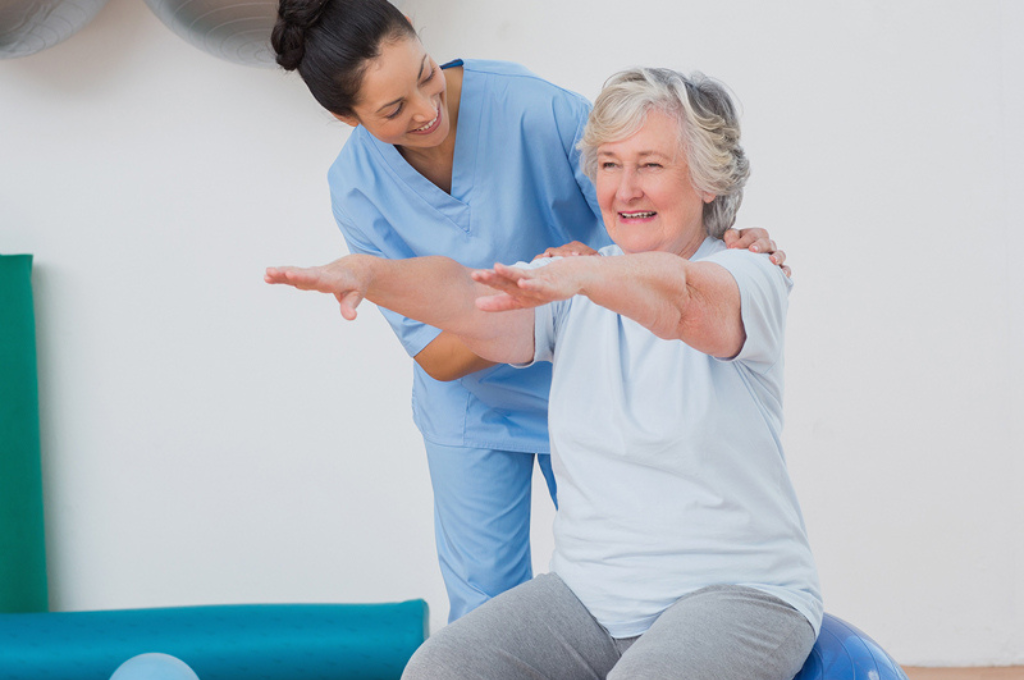
One of the primary goals of rehabilitation is to help individuals regain strength, flexibility, and movement. Physical therapy programmes are tailored to improve muscle function, balance, and coordination. Research demonstrates that increased rehabilitation intensity leads to better functional recovery and improved mobility outcomes. This is particularly important for patients recovering from strokes, orthopaedic injuries, or surgeries.
2. Enhances Quality of Life
Rehabilitation has a direct impact on a person’s overall quality of life. It not only addresses physical limitations but also improves emotional and psychological well-being. Studies indicate that patients undergoing rehabilitation report higher satisfaction levels, better mental health, and increased confidence in daily activities.
3. Promotes Independence
A key advantage of rehabilitation is helping individuals regain independence in their daily lives. Occupational therapy focuses on teaching essential life skills, such as dressing, cooking, and personal care. By improving functional independence, rehabilitation reduces reliance on carers and enhances self-sufficiency.
4. Prevents Secondary Health Complications
Without proper rehabilitation, patients may face complications such as muscle atrophy, joint stiffness, or reduced cardiovascular fitness. Rehabilitation programmes are designed to prevent these issues through guided exercises and lifestyle modifications. This proactive approach contributes to long-term health and reduces the risk of rehospitalisation.
5. Supports Mental and Emotional Recovery
Recovery is not only physical but also psychological. Rehabilitation often includes counselling and mental health support to help individuals cope with trauma, stress, or lifestyle changes. Positive psychological outcomes, such as improved motivation and resilience, are commonly observed in rehabilitation patients.

6. Reduces Pain and Discomfort
Chronic pain can significantly impact daily life. Rehabilitation techniques, including physiotherapy and therapeutic exercises, help manage pain effectively. By addressing the root cause of discomfort, rehabilitation improves both physical comfort and emotional stability.
7. Encourages Social Reintegration
Rehabilitation enables individuals to return to work, social activities, and community life. Social reintegration is a vital component of recovery, as it fosters a sense of belonging and purpose. Programmes often include social skills training and community engagement strategies to support this transition.
8. Improves Long-Term Health Outcomes
Evidence suggests that rehabilitation leads to better long-term health outcomes, including improved physical function, reduced disability, and enhanced survival rates in certain conditions. For example, cardiac and pulmonary rehabilitation programmes have been shown to improve exercise tolerance and overall health status.
Types of Rehabilitation
To fully understand how rehabilitation transforms lives, it is important to recognise its various forms:
- Physical Rehabilitation: Focuses on restoring movement and physical function.
- Occupational Rehabilitation: Helps individuals regain daily living skills.
- Speech and Language Therapy: Assists in communication and swallowing disorders.
- Psychological Rehabilitation: Addresses mental health and emotional well-being.
- Substance Abuse Rehabilitation: Supports recovery from addiction through structured programmes.
Each type plays a unique role in addressing specific needs and ensuring comprehensive recovery.

The Role of Personalized Care
One of the most effective aspects of rehabilitation is its personalised approach. Treatment plans are tailored to each individual’s condition, goals, and lifestyle. This customisation ensures better engagement and improved outcomes. Research highlights that patient-centred rehabilitation programmes, combined with strong therapist-patient relationships, significantly enhance recovery success.
Rehabilitation and Modern Healthcare
In today’s healthcare landscape, rehabilitation is recognised as a critical service. It not only improves patient outcomes but also reduces healthcare costs by minimising hospital stays and preventing complications. Advances in technology, such as tele-rehabilitation and digital health tools, are making rehabilitation more accessible and effective than ever before.
Challenges in Rehabilitation
Despite its benefits, rehabilitation can face challenges such as limited access, lack of awareness, and financial constraints. Addressing these barriers is essential to ensure that more individuals can benefit from rehabilitation services. Increased investment in healthcare infrastructure and education can help overcome these obstacles.
Conclusion
Rehabilitation is a transformative process that empowers individuals to regain control of their lives. By improving physical function, enhancing mental well-being, and promoting independence, rehabilitation plays a vital role in overall recovery. Its impact extends beyond health, influencing social participation, productivity, and quality of life. As healthcare continues to evolve, rehabilitation will remain a cornerstone of holistic patient care.
FAQ’s
Rehabilitation offers numerous benefits, including improved physical strength, enhanced mobility, reduced pain, better mental health, increased independence, and improved overall quality of life. It also helps prevent complications and supports long-term recovery.
Rehabilitation is important because it helps individuals recover from injuries, illnesses, or disabilities while restoring their ability to perform daily activities. It plays a crucial role in improving health outcomes, reducing hospital stays, and enhancing overall well-being.
The four main goals of rehabilitation are:
1. Restoring physical function and mobility.
2. Reducing pain and discomfort.
3. Promoting independence in daily activities.
4. Improving overall quality of life.
Rehabilitation improves quality of life by addressing physical, emotional, and social challenges. It enhances mobility, reduces pain, boosts confidence, and enables individuals to participate in daily activities and social interactions, leading to a more fulfilling and independent life.