Drug Use and Addiction: A Guide to Understanding the Basics

How Rehab Centers Support Lasting Alcohol Recovery
June 1, 2026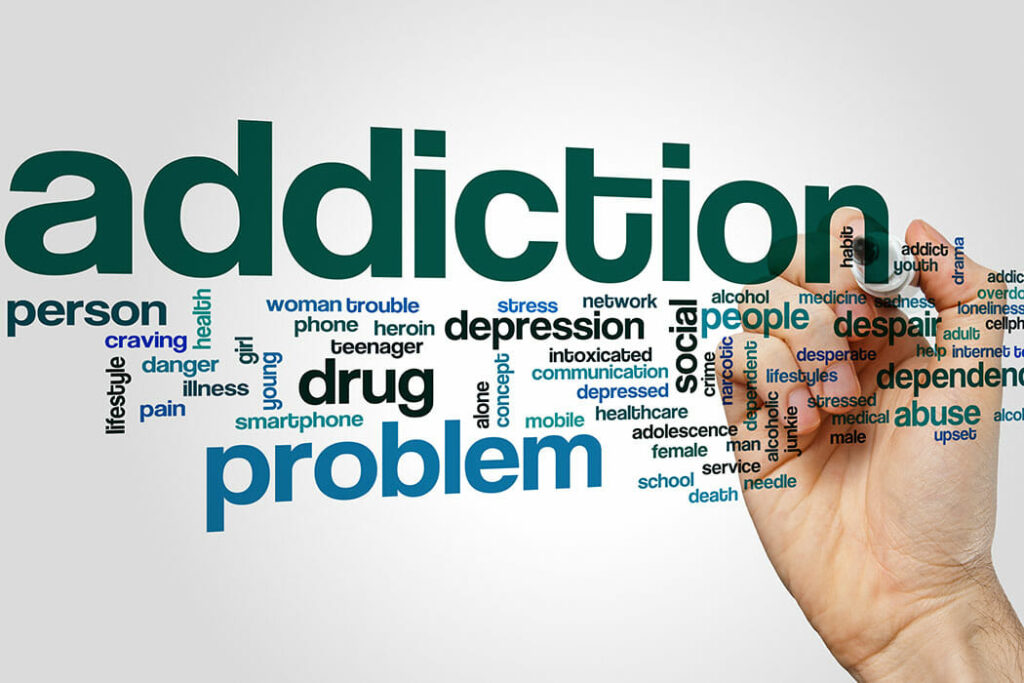
The question of why and how individuals become addicted to drugs is one of the most significant challenges in public health. Often, public perception is clouded by the misconception that individuals who struggle with drug use lack moral principles or sufficient willpower and that they could simply choose to stop if they truly wanted to. However, science offers a much more nuanced perspective. Drug addiction is a complex, chronic disease, and overcoming it usually requires far more than mere intention or strength of character.
What Is Drug Addiction?
At its core, addiction is defined as a chronic, relapsing disorder characterized by compulsive drug seeking and use, despite the presence of harmful consequences. For most people, the initial decision to use drugs is a voluntary choice. However, as the cycle of usage continues, it triggers profound changes in the brain that actively challenge an individual’s self-control.
These changes are not merely temporary; they can be long-lasting. This is why drug addiction is considered a relapsing disease. Even after a period of abstinence, individuals with a history of drug use disorders remain at an increased risk of returning to drug use. It is crucial to understand that a relapse does not indicate that treatment has failed. Much like managing other chronic health conditions—such as diabetes or hypertension—addiction requires ongoing, adaptive treatment plans that evolve to meet a patient’s changing needs.
The Impact of Drugs on the Brain
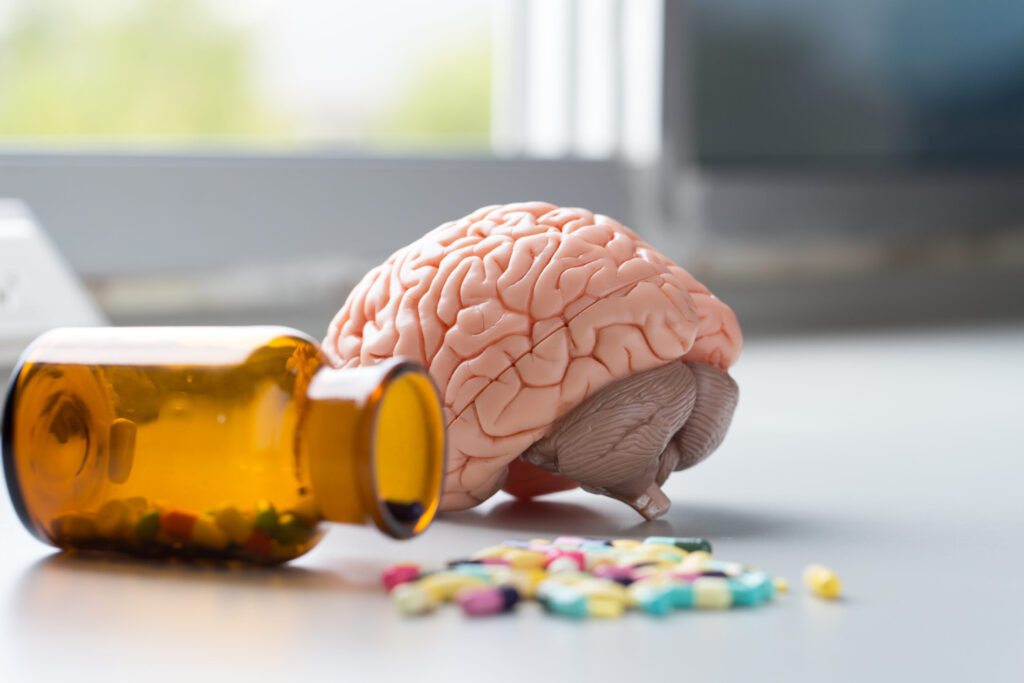
To understand the drug impact on human behavior, one must look at how substances alter brain chemistry. Most drugs of abuse target the brain’s “reward circuit.” Normally, this system reinforces behaviors that are essential for survival, such as eating or spending time with loved ones, by releasing the chemical messenger dopamine.
When drugs flood this reward circuit with excessive amounts of dopamine, the brain begins to associate the drug with high pleasure. This reinforces the desire to repeat the behavior. However, the brain is highly adaptive. With continued drug use, the brain begins to compensate for this excess dopamine by reducing the reward circuit’s ability to respond. This leads to tolerance—the phenomenon where a person requires more of the substance to achieve the same “high” they initially experienced.
Eventually, the brain’s ability to derive pleasure from everyday activities—the things someone once enjoyed—diminishes significantly. Beyond the reward system, long-term drug-addicted behaviors are driven by shifts in brain circuits that govern:
- Learning and memory
- Judgment and decision-making
- Stress response
- Behavioral control
Even when an individual recognizes the destructive nature of these substances, the altered brain state makes resisting intense urges incredibly difficult.
Why Do Some Become Addicted While Others Do Not?
There is no single factor that can predict if a person will develop an addiction. Instead, it is the result of an interplay between various risk factors:
- Biology: Genetic predisposition accounts for approximately half of an individual’s risk for addiction.
- Environment: A person’s surroundings—including their economic status, quality of life, peer groups, and exposure to stress or trauma—play a massive role in whether they experiment with drugs.
- Development: The timing of drug initiation is critical. The earlier drug use begins, the higher the likelihood that it will progress to addiction. This is particularly concerning for adolescents, whose brains are still developing areas responsible for judgment, self-control, and decision-making.
Is Recovery Possible?
While there is no “cure” for addiction, it is a highly treatable condition. Successful management involves a combination of behavioral therapies and, where appropriate, medications tailored to the individual’s specific needs. Because addiction affects various social, mental, and physical aspects of a person’s life, a comprehensive treatment plan that addresses these co-occurring issues offers the highest chance of long-term recovery.
The Power of Prevention
Perhaps the most encouraging development in addiction science is the evidence that drug use and addiction are preventable. Research confirms that intervention programs involving families, schools, and communities are effective.
When young people clearly understand the risks associated with drug use, they are significantly less likely to engage in substance-taking behaviors. Education remains our most powerful tool. Parents, teachers, and healthcare providers all hold vital roles in fostering open, honest conversations and creating supportive environments that reduce the allure and accessibility of drugs.
Understanding the basics of drug science—shifting the narrative from one of moral failure to one of chronic health management—is essential. By replacing stigma with knowledge, we can build more effective prevention strategies and foster a society that supports recovery rather than judgment.
Treatment works, and for those struggling, help is always available through professional resources, dedicated support systems, and specialized facilities like a Nasha Mukti Kendra in Udaipur, which provides the clinical care and environment necessary for lasting recovery.